📖 View in Flipbook All editions
READY-RECKONER VERSUS ACTUAL: THE VALUATION FIGHT INSIDE A ULC PREMIUM
ULC premium मधील मूल्यांकनाचा वाद As the twin-city's redevelopment wave pushes old plots into reconstruction, more societies are receiving a ULC premium demand for the first time - and discovering that the fight is not over whether to pay, but over how the figure was built. Two parcels of identical size can attract wildly different premiums depending on choices buried in the computation sheet. This part opens that sheet. How the premium is built. Under the Government Resolutions of 1 August 2019 and 23 June 2021, the one-time premium to clear a Section 20 encumbrance is a percentage of the ready-reckoner value of the land - 13 per cent for residential use, 15 per cent for industrial. Two variables therefore decide the whole demand: the rate applied, and the value it is applied to. Both are contestable. The ready-reckoner-year trap. The Annual Statement of Rates is revised each year, and values in the Mumbai Metropolitan Region have climbed steeply. A demand that applies a current-year ready-reckoner value to an obligation that crystallised years earlier inflates the base - and the premium with it. Rate deviations, and surplus versus the whole plot. Demands are sometimes computed at rates other than the 13 or 15 per cent the GRs prescribe. The single largest error is base area: the Porbanderwalla ruling (2023) and the Huhtamaki line of cases (2024) settled that premium attaches only to the surplus vacant land that attracted ceiling proceedings - not the retainable land always within the owner's entitlement, and not the entire holding. Reading the computation sheet. The January 2022 circular extended the resolution route to individual owners, not only developers - which means individual members can require a computation sheet showing the area taken as the base, the ready-reckoner rate and year applied, and the percentage used. Where any one of those three is wrong, the premium is wrong.
React
More from this issue & web
 Page 1
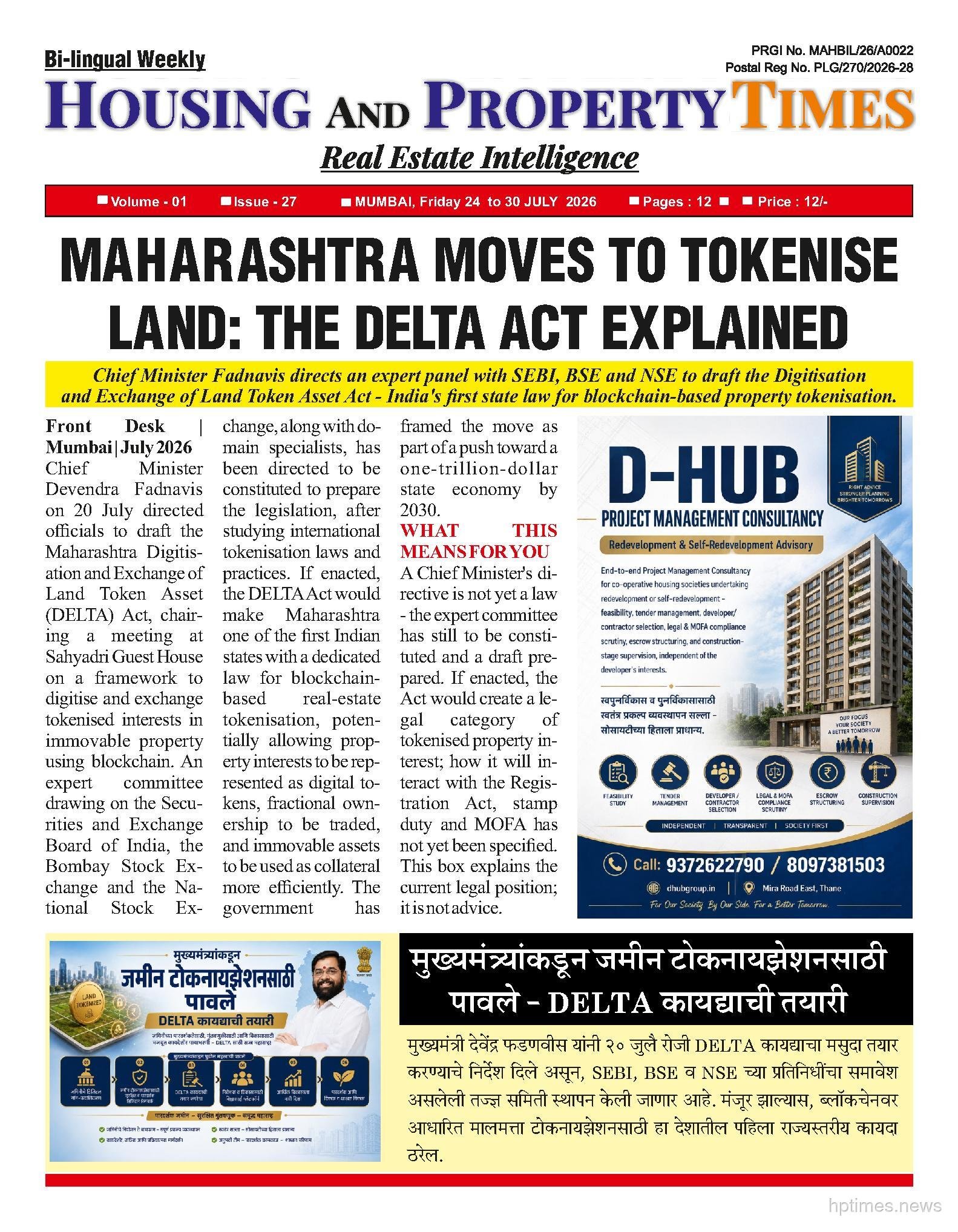
MAHARASHTRA MOVES TO TOKENISE LAND: THE DELTA ACT EXPLAINED
Page 1
MAHARASHTRA MOVES TO TOKENISE LAND: THE DELTA ACT EXPLAINED
 Page 2
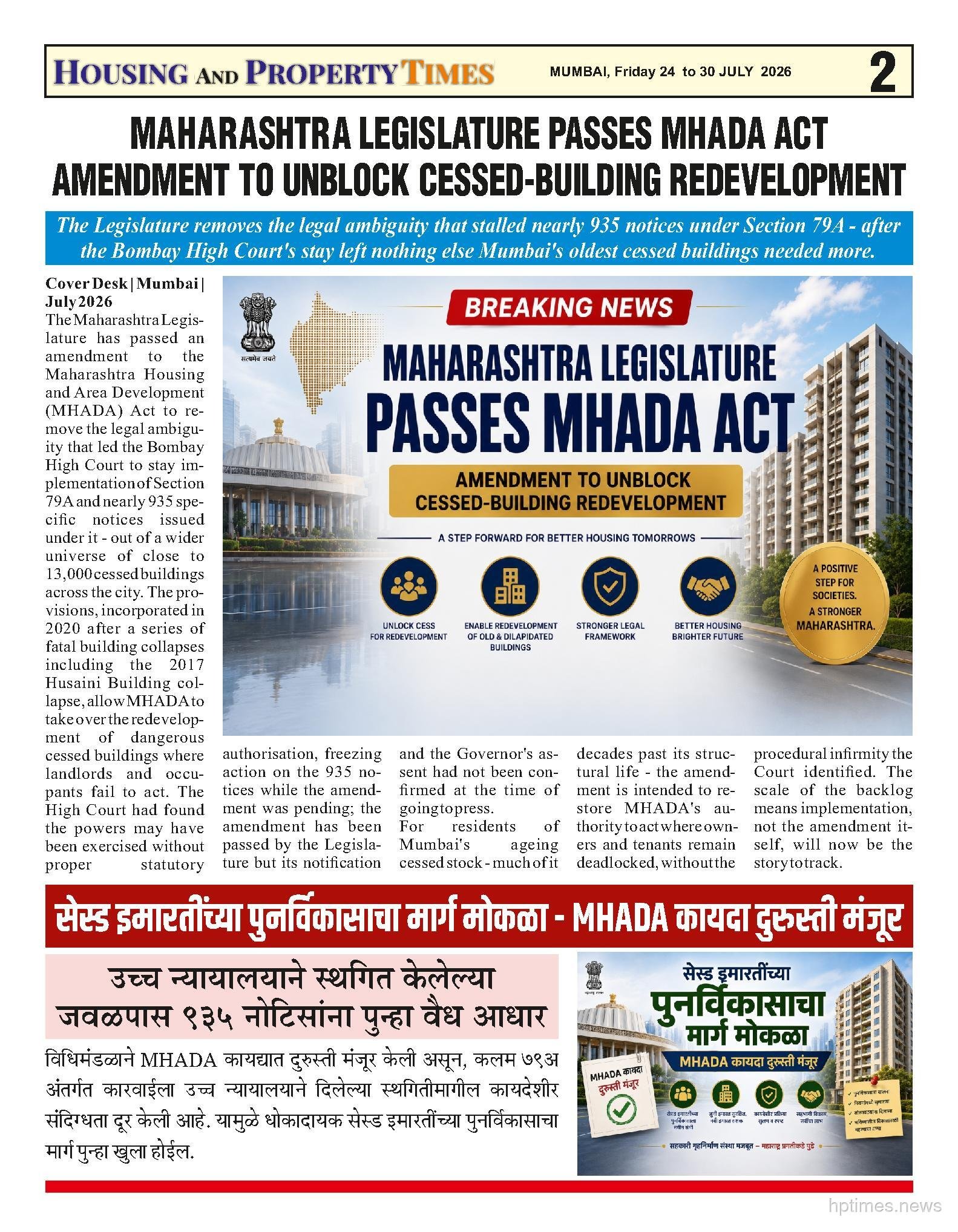
MAHARASHTRA LEGISLATURE PASSES MHADA ACT AMENDMENT TO UNBLOCK CESSED-BUILDING REDEVELOPMENT
Page 2
MAHARASHTRA LEGISLATURE PASSES MHADA ACT AMENDMENT TO UNBLOCK CESSED-BUILDING REDEVELOPMENT
 Page 3
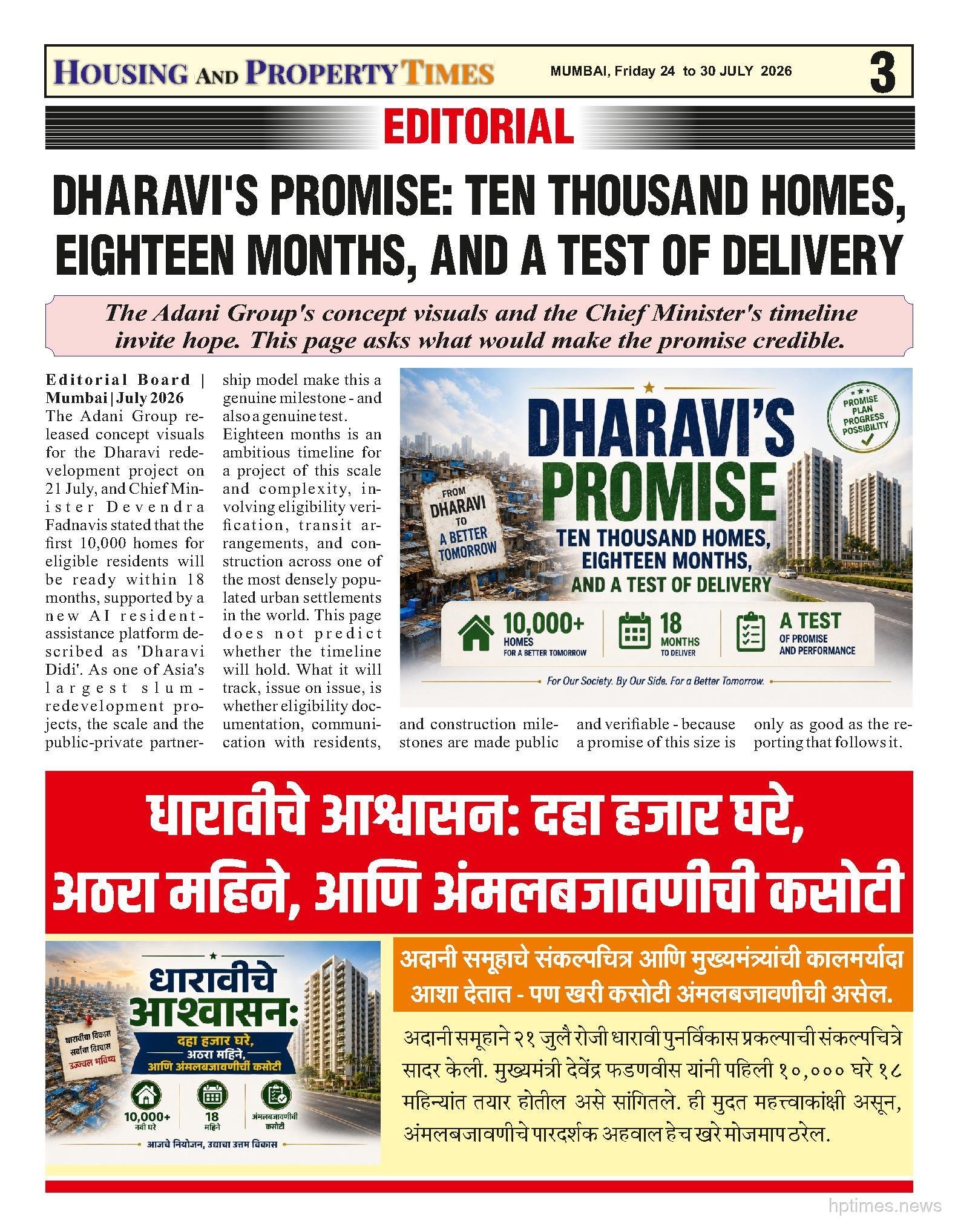
THE ROAD OUT: THE LEGAL ROUTES THAT COULD END THE 1870 CLAIM
Page 3
THE ROAD OUT: THE LEGAL ROUTES THAT COULD END THE 1870 CLAIM
 Page 5
THE MONEY QUESTION: HOW UBRA REBUILDS AT ZERO COST TO THE STATE
Page 5
THE MONEY QUESTION: HOW UBRA REBUILDS AT ZERO COST TO THE STATE
 Page 6
BOMBAY HIGH COURT UPHOLDS MHADA CLUSTER REDEVELOPMENT FOR BANDRA AND WORLI
Page 6
BOMBAY HIGH COURT UPHOLDS MHADA CLUSTER REDEVELOPMENT FOR BANDRA AND WORLI
 Page 7
DHARAVI'S PROMISE: TEN THOUSAND HOMES, EIGHTEEN MONTHS, AND A TEST OF DELIVERY
Page 7
DHARAVI'S PROMISE: TEN THOUSAND HOMES, EIGHTEEN MONTHS, AND A TEST OF DELIVERY
Comments (1)
Good Post